Physical Address
304 North Cardinal St.
Dorchester Center, MA 02124
Physical Address
304 North Cardinal St.
Dorchester Center, MA 02124
Latest Car News, Reviews, Comparisons & EV Updates
Latest Car News, Reviews, Comparisons & EV Updates
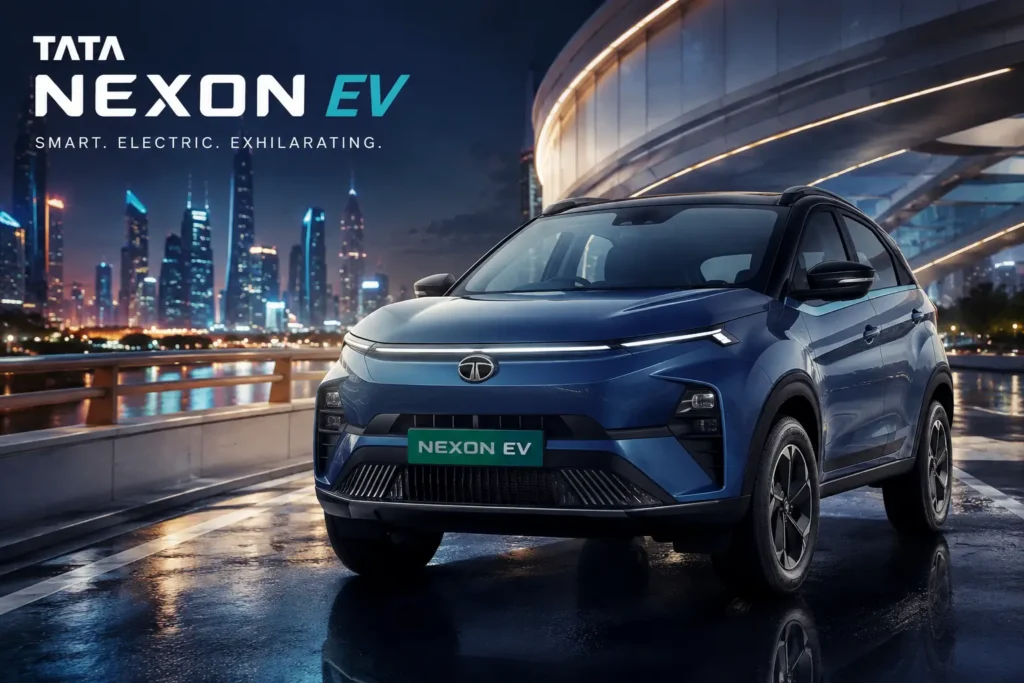
Let’s be honest — buying an electric vehicle in India feels like a leap of faith. We’ve all heard the promises of “running costs at ₹1 per km,” but then come the horror stories about batteries dying and resale values crashing. If you’re eyeing the Tata Nexon EV, you’re probably caught between excitement and a dozen “what if” questions. We’ve gone past the glossy brochures and dug into real-world experiences of owners who’ve lived with this car for thousands of kilometres. Here’s what it’s actually like — the good, the bad, and the “I didn’t know that” moments.
The biggest fear every EV buyer carries is battery degradation — the worry that a few years in, your car becomes an expensive paperweight. But long-term owner data is genuinely reassuring. One owner, after 54,000 km and regular DC fast charging, found their State of Health (SOH) still at an impressive 97%. The general thumb rule: expect roughly 1% drop per 15,000 km. That means even at 60,000 km, your battery is likely 96% healthy. Credit goes to Tata’s battery thermal management system, which works quietly in the background to protect cells from India’s brutal heat.
Tata claims 489 km for the Long Range (LR) 45 kWh variant. Real-world figures? With AC running at 24°C — because we all need it — expect 350–400 km in the city and 280–340 km on highways. Push it to 120 kmph, and the range drops faster than a phone at 2% battery. Cruise at 80–90 kmph, and the Tata Nexon EV becomes a genuine road trip car. For city-only use, the Medium Range (MR) variant’s 210–250 km real-world range handles a full week of commuting comfortably without breaking a sweat.
Owning a Tata is often a lesson in “warm hospitality meets inconsistent execution.” Service centers are incredibly welcoming — you’ll be offered tea, coffee, and samosas at least three times while you wait. However, some owners have returned to find poor panel gaps or screwdriver marks on the dashboard from overzealous technicians. The golden rule: be your own quality inspector. Check every panel and surface thoroughly after any service visit. The good news? Tata’s back-end support team is reportedly listening to feedback and making improvements.
Switching to an EV to save money is smart — until your first insurance renewal arrives. EV premiums run 20–25% higher than petrol cars because the battery alone makes up 40–60% of the car’s total value. A small stone chip on the battery casing can trigger a ₹7 lakh claim on a ₹15 lakh car, and insurers price that risk accordingly. Then there’s depreciation — some early buyers saw up to 70% value loss in four years. This is steadily improving as EVs go mainstream, but the Nexon EV is a long-term commitment, not a car you flip every couple of years. Always opt for Zero Depreciation and Battery Protection insurance — it’s your most important financial safety net.
Home charging setups can cost upwards of ₹12,000, which stings. But India’s DIY spirit is alive and well. One creative owner built a heavy-duty 100-foot charging cable using 3mm wire for just ₹2,000 — no overheating, handles the voltage perfectly, and reaches from a third-floor window. We recommend sticking to authorized gear for safety, but it perfectly captures the resourcefulness growing within India’s EV community.
The Nexon EV recently earned a 5-star Bharat NCAP rating, scoring high on both adult and child protection. With six airbags as standard, electronic stability control, and a reinforced frame, this is a car you can confidently put your family in. In a country with unpredictable roads and traffic, that matters enormously.
The Tata Nexon EV isn’t perfect. You’ll deal with higher insurance, occasional service center surprises, and the need to plan highway stops around DC fast chargers (roughly 40 minutes for an 80% charge). But if you charge at home overnight and your daily drive stays under 150 km, the experience becomes almost addictive — the whisper-quiet motor, instant overtaking torque, and the quiet satisfaction of never visiting a petrol pump again. For the modern Indian driver, it’s a genuinely compelling choice. Just go in informed, ensure it properly, and enjoy the ride.
If you are planning to switch to electric mobility, you should also read our EV charging guide for beginners.